







Search Results for: Coffee Bean Selection
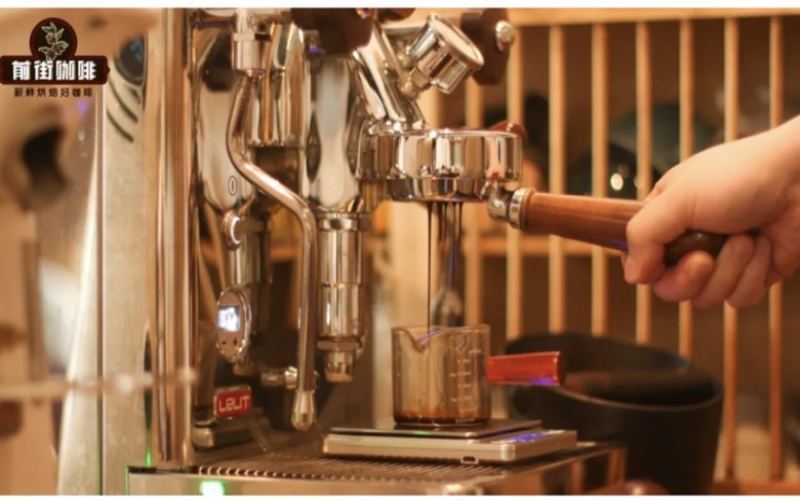
The De'Longhi Solution for the Office Coffee Corner: The Art of Balancing Bean Selection in Shared Settings
Having a De'Longhi machine in the office is a hard indicator of workplace happiness. But choosing beans for a shared coffee corner and for home follow two different logics: tastes vary and are hard to please, budgets are clearly divided between public and private, and no one takes the initiative to maintain it—the communal nature dictates a bean-selection strategy of "balance first." This article discusses bean selection and operation for an office De'Longhi coffee corner. The first principle [more…]

How to Make a Delicious Dirty: The Trio of Bean Selection, Milk, and Temperature
Dirty (dirty coffee) has been a perennial staple on café menus in recent years: hot espresso slowly sinks into iced milk, without stirring, and you drink it from top to bottom, so that in a single sip you get the alternation of hot and cold and the layering of milk and coffee. It looks simple, but between a delicious one and a mediocre one lies the gap of bean selection and details. The principle of Dirty: why [more…]

Coffee Shop Espresso + Pour-Over Dual-Line Bean Selection Plan
A well-established coffee shop usually needs to manage two product lines simultaneously: the espresso line and the pour-over line. The espresso line handles daily cup volume and revenue, while the pour-over line showcases professionalism and increases the average transaction value. The two lines use different bean strategies, but both require careful configuration. Espresso line: stable output, controlled costs, memorable highlights [more…]

Delonghi users' bean selection strategy: keep everyday beans and exploratory beans separately stocked
When you bring a De'Longhi coffee machine home, many people run into the same bean-selection dilemma: everyday beans are about consistency, something you can drink daily without guilt; adventure beans are about variety, a change of pace for the weekend. Rather than going back and forth between these two demands, it's better to split the line outright, pairing each with its own beans so both weekdays and weekends can be enjoyed comfortably—this dual-track approach is worth [more…]
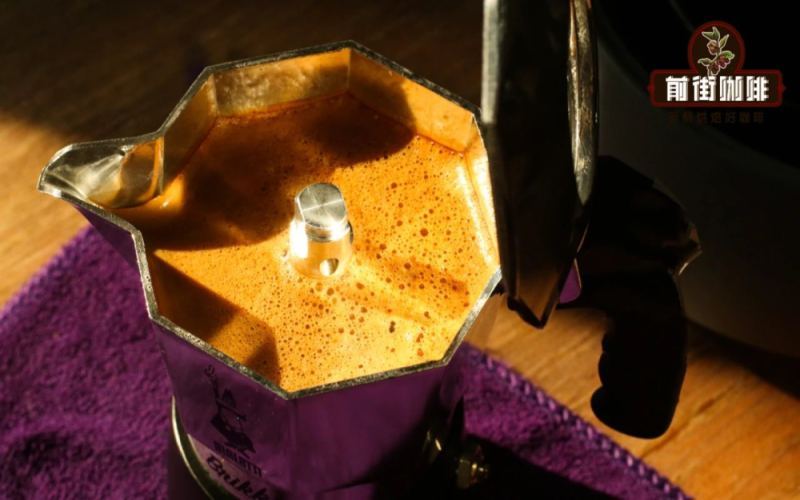
How to Make Iced Coffee with a Moka Pot: Coffee-to-Water Ratio, Bean Selection Tips, and Front Street Espresso Bean Recommendations
Many Moka pot enthusiasts often ask Front Street: Which beans are suitable for a Moka pot? How can I use it to make delicious iced coffee? As the home appliance closest to an espresso machine, the Moka pot is essentially a simple pressure-extraction device. Under ideal conditions, it can produce intense, full-bodied, powerfully flavored coffee, sometimes with a moderate amount of crema. Therefore, when choosing beans, it is advisable to prioritize medium or darker roasts, while also considering crema performance and flavor balance. This article will focus on the bean-selection logic for Moka pots, three Front Street espresso bean recommendations, and the coffee-to-water parameters for a 3-cup Bialetti pot along with the steps for making an iced Americano, providing a reusable operating plan. [more…]
Yirgacheffe Coffee Bean Guide: Origin Characteristics, Roast Level Selection, and Pour-Over Parameters Explained
Yirgacheffe is one of Ethiopia's most representative specialty coffee regions, known for its fresh lemon and citrus acidity and delicate floral aromas. This article analyzes the core characteristics of this bean layer by layer, from its origin background, green bean grading, and roast level selection to pour-over parameters. Yirgacheffe green beans are small in shape and emerald green in color. Washed G2 is the traditional highest grade, and G1 is now also available on the market. In terms of roasting, cinnamon roast or medium roast best preserves its citrus acidity and floral aroma, while a darker roast masks its fresh character. For pour-over, it is recommended to use a high temperature above 90°C and extend the bloom to 20–30 seconds to fully release the flavors. Front Street Coffee recommends interpreting Yirgacheffe through pour-over. Compared with competition-style brewing or a French press, the clarity brought by pour-over better showcases its delicate layers. [more…]
Cold Brew Bean Guide: Bean Selection Plans for Every Budget and Taste, All in One Place
Once you've decided to start making cold brew, the first question is always the same: which beans should I buy? Today, we're giving you three bean plans based on two dimensions—budget and taste—so whether you're just "casually drinking" or "seriously savoring," you can find the right match. Plan One: Beginner's tasting type (spend a little first to test the waters). If you're making cold brew for the first time, don't [more…]
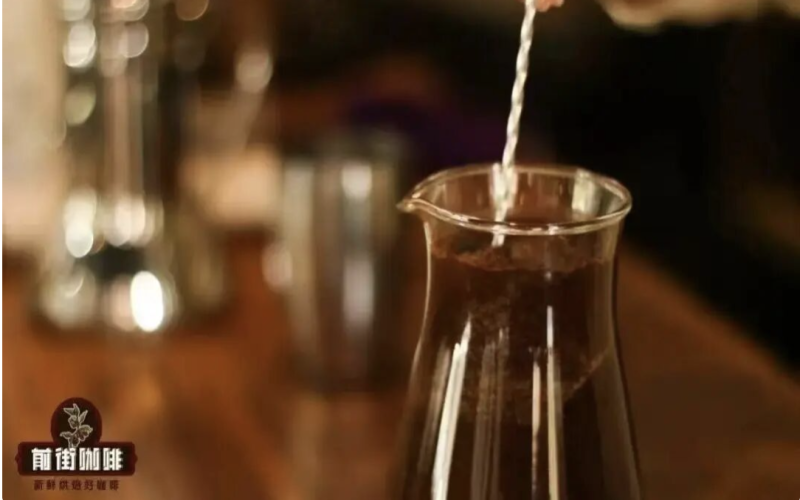
Advanced Cold Brew Bean Selection: How to Read Origin, Processing Method, and Roast Level
After trying a few cold brews, many people ask: with the same method, why do some cold brews taste like fruit juice while others taste like cold bitter water? The answer isn't in the method, it's in the beans. Today, we'll cover cold brew bean selection thoroughly in one go, from three dimensions: origin, processing method, and roast level. Origin determines the flavor baseline. Coffee beans from different origins have flavors [more…]
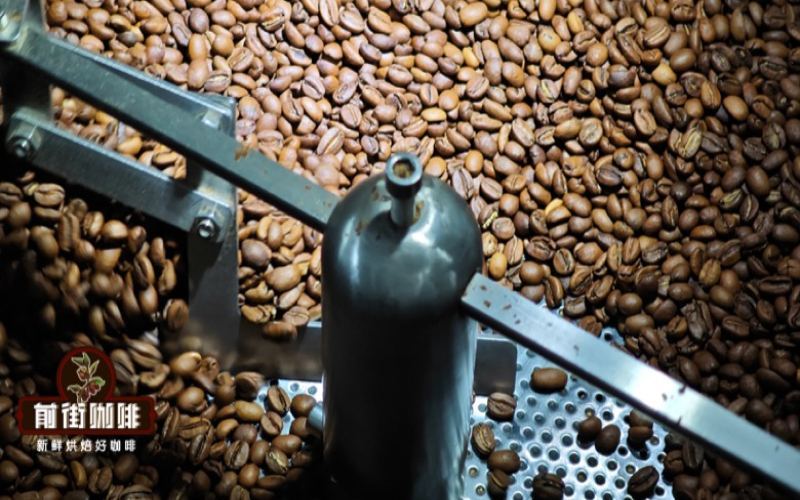
Espresso Machine Medium-Roast Coffee Bean Recommendations: A Bean Selection Method for Everyday Drinkers
When you first start buying beans, there's no need to chase a wide range of flavors all at once. A more practical approach is to start with a bean that has a clear flavor profile and is highly compatible with different brewing methods, then lock in your dose, grind, and water temperature, and observe how the entry, sweetness, and finish change. This way you can build your own taste reference. For espresso extraction, the focus is on dose [more…]
Dark Roast Coffee Bean Recommendations: A Bean Selection Method for Everyday Drinkers
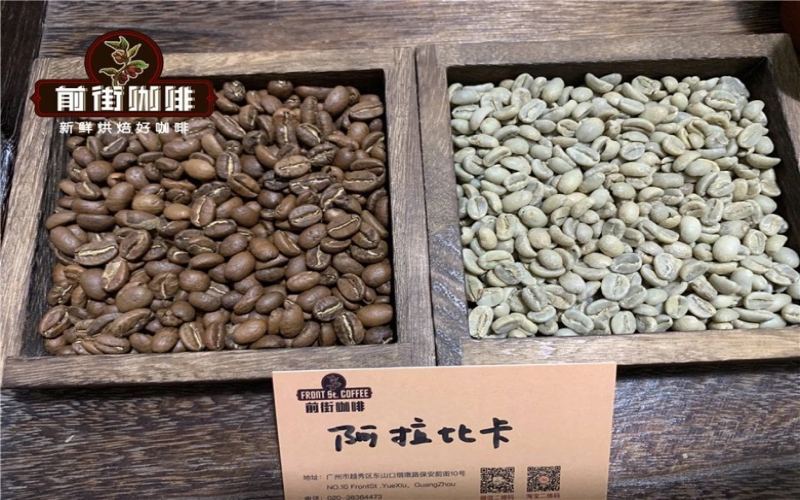
When you first start buying beans, you don't need to chase a wide range of flavors all at once. A more practical approach is to start with a bean that has a clear flavor profile and a high degree of brewing-method compatibility, then lock in your dose, grind, and water temperature, and observe how the entry, sweetness, and finish change. This way you can build your own taste reference. Dark roasting pushes the flavor toward [more…]

Moka Pot Bean Selection Tips | What Coffee Beans Are Best for Moka Pots? 5 Cost-Effective Medium-Dark Roasted Specialty Moka Pot Coffee Bean Recommendations
Many people ask, what kind of coffee is a moka pot suitable for brewing? Or, what coffee beans are best for a moka pot? Actually, as long as you understand the working principle of the moka pot, the answer becomes very clear. The moka pot, also known as a stovetop Italian coffee maker, is the first-choice device for many households getting started with making "espresso-style coffee." It uses a simple [more…]
Cocoa-Flavored Moka Pot Coffee Bean Recommendations: A Bean Selection Method for Everyday Drinkers
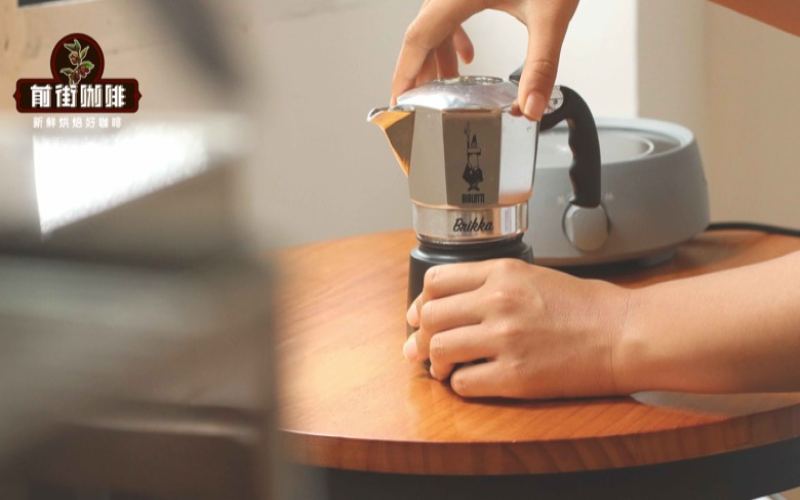
When you first start buying beans, you don't need to chase a wide range of flavors all at once. A more practical approach is to first pick a bean with a clear flavor profile and high compatibility with different brewing methods, then lock in your dose, grind, and water temperature, and observe how the entry, sweetness, and finish change. This way you can build your own taste reference. The moka pot works by steam pressure [more…]
How to Choose Blended Coffee Beans: A Bean Selection Guide for Everyday Drinkers
When you first start buying beans, there's no need to chase a wide range of flavors all at once. A more practical approach is to start with a bean that has a clear flavor profile and works well across different brewing methods, then keep your dose, grind, and water temperature fixed while you observe how the entry, sweetness, and finish change. This way you can build your own taste reference. For espresso extraction, the key is dose [more…]
What Heat Should You Use for a Moka Pot? Coffee Bean Recommendations: A Bean Selection Method for Everyday Drinkers
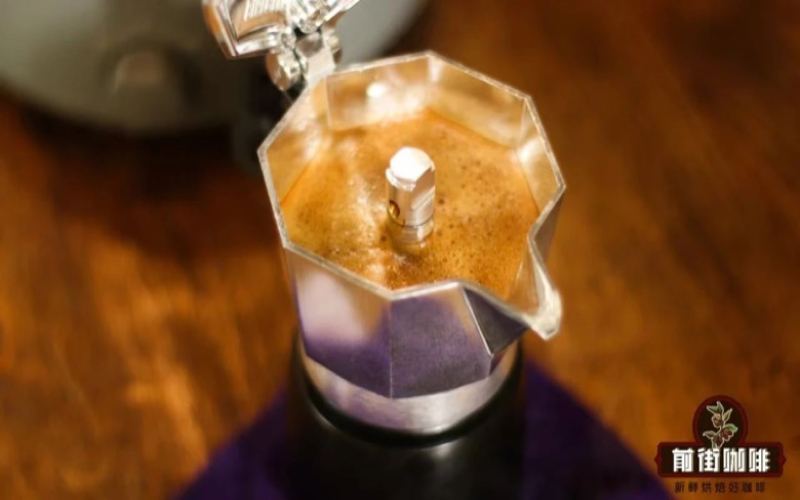
When you first start buying beans, you don't need to chase a wide range of flavors all at once. A more practical approach is to first choose a bean with a clear flavor profile and high compatibility with different brewing methods, then lock in your dose, grind, and water temperature, and observe how the entry, sweetness, and finish change. This way you can build your own taste reference. The moka pot relies on steam pressure [more…]

Coffee Bean Selection Tips | Espresso Always Over-Extracted or Weak? How to Buy the Right Espresso Beans? High Value-for-Money Home Espresso Bean Recommendations
As coffee lovers, I believe everyone has struggled with how to buy a suitable bag of coffee beans, and sometimes, due to poor choices, the espresso you make turns out disastrous. This is especially true for espresso machines with a pressurized feature, as the strong and intense taste of the espresso can easily lead to over-extraction if the coffee beans are not properly selected. [more…]
From Moka Pot to Espresso Machine: Bean Selection and Blend Recommendations for Milk Coffee, Americano, and Latte
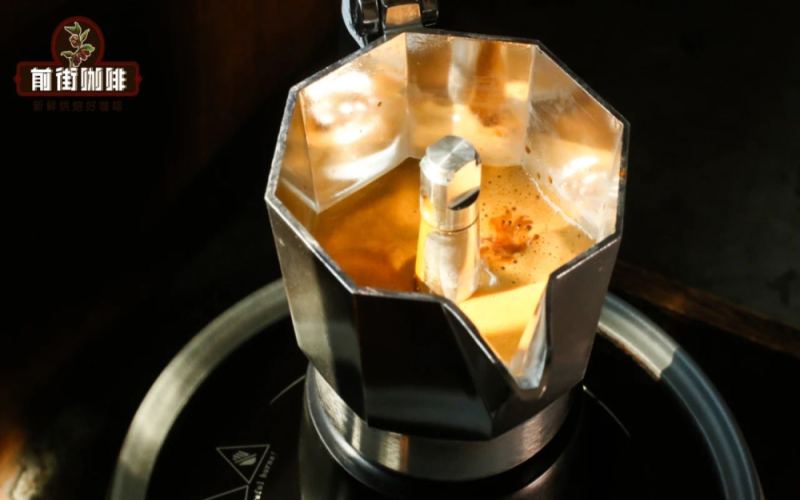
Many people don't chase the distinct regional flavors of pour-over coffee in their daily cup; they prefer the milky taste of coffee with milk added. To make a stable, delicious latte or Americano, choosing the right espresso beans is the first step. This article starts with the basic principles of espresso, explains the relationship between espresso, Americano, latte, and cappuccino, and lays out three general guidelines for selecting espresso and moka pot coffee beans: not sour, freshly roasted, and medium-dark roast. On this basis, drawing on several of Front Street Coffee's blends, it offers specific selection logic and recommendations for different needs—traditional Arabica, commercial blends, classic rich body, cost-first, and fruity acidity. [more…]
Coffee Bean Selection Guide | What is a coffee combo? Which coffee beans are suitable for making a combo? What should be noted when making a combo?
By splitting the extracted espresso into 2–3 portions, then separately crafting each into a different type of coffee and finally combining them for serving, this is a highly popular serving format in today's coffee shops—the Coffee Combo. Because you can taste different "dishes" made from a single bean at the same time. [more…]
How to Choose SOE Single-Origin Coffee Beans: A Bean Selection Method for Everyday Drinkers
When you first start buying beans, you don't need to chase a wide range of flavors all at once. A more practical approach is to start with a bean that has a clear flavor profile and high brewing-method compatibility, lock in your dose, grind, and water temperature, then observe how the entry, sweetness, and finish change. This way you can build your own taste reference. In espresso extraction, the focus is on dose. [more…]

How to Pull a Good Espresso Shot at Home: The Key Lies in Bean Selection
Many people buy a home espresso machine with one first goal in mind: pulling a thick, creamy crema like the one in coffee shops. But after endlessly tweaking grind size, dose, and water temperature, the crema is still thin. The problem usually isn't the machine — it's the beans. Crema is the layer of foam formed when carbon dioxide and fats emulsify during espresso extraction. [more…]
Delicious Americano Coffee Beans Recommendations: A Bean Selection Method for Everyday Drinkers
When you first start buying beans, you don't need to chase a wide range of flavors all at once. A more practical approach is to first choose a bean with a clear flavor profile and high compatibility with different brewing methods, then lock in your dose, grind, and water temperature, and observe how the entry, sweetness, and finish change. This way you can build your own flavor reference. Pour-over flavor is mainly determined by the origin. [more…]